Laser Dentistry
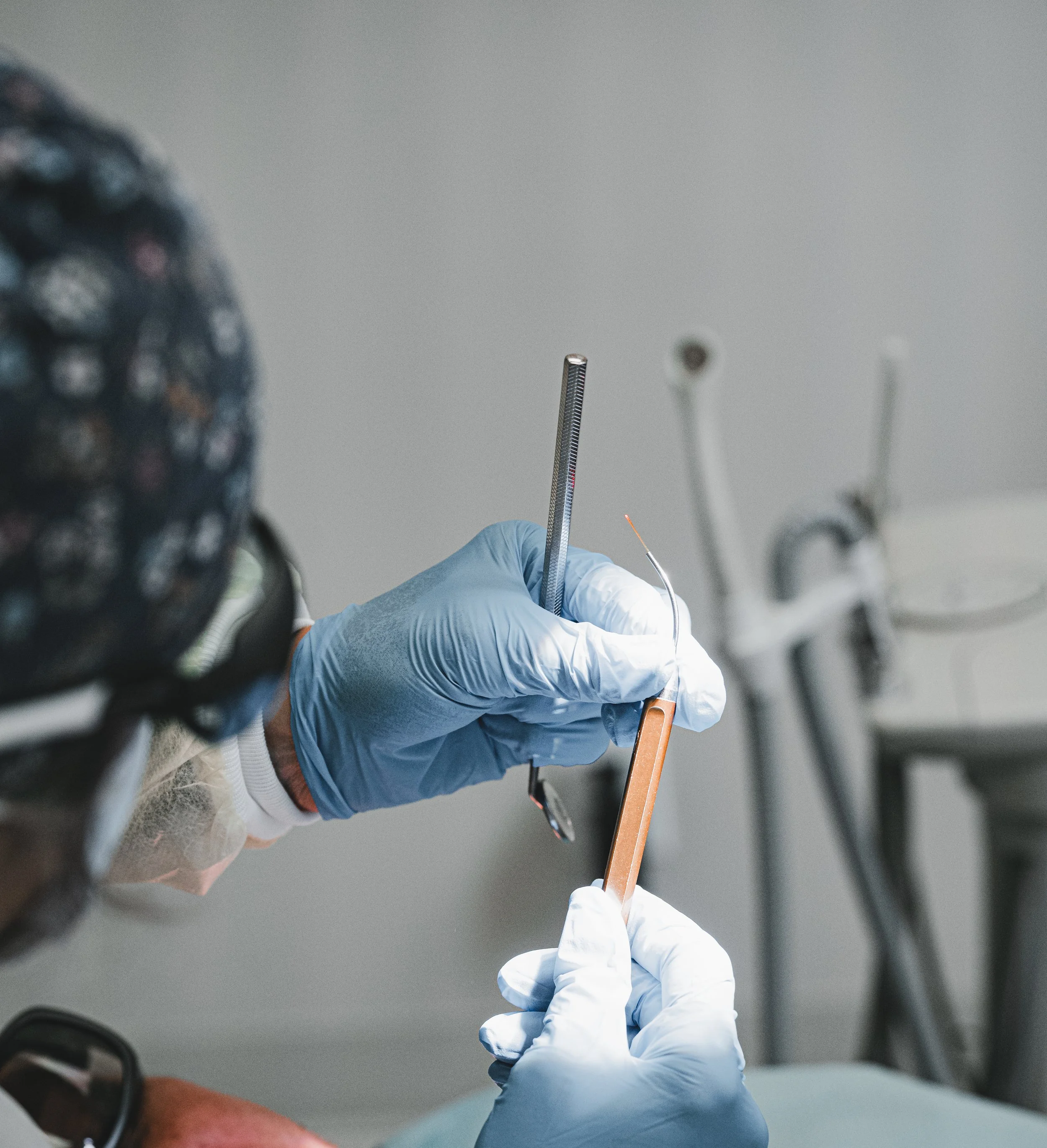
Laser therapy in dentistry represents a significant advancement in dental care, offering a minimally invasive alternative to traditional surgical methods. The technology, as exemplified by the FDA-cleared PerioLase® MVP-7™ used by Dr. Mancini, leverages the precision and controlled power of laser light to treat various dental conditions, most notably periodontal (gum) disease. The LANAP® (Laser-Assisted New Attachment Procedure) protocol, which utilizes this laser, is a prime example of how laser therapy is revolutionizing dental treatments.
How laser therapy works
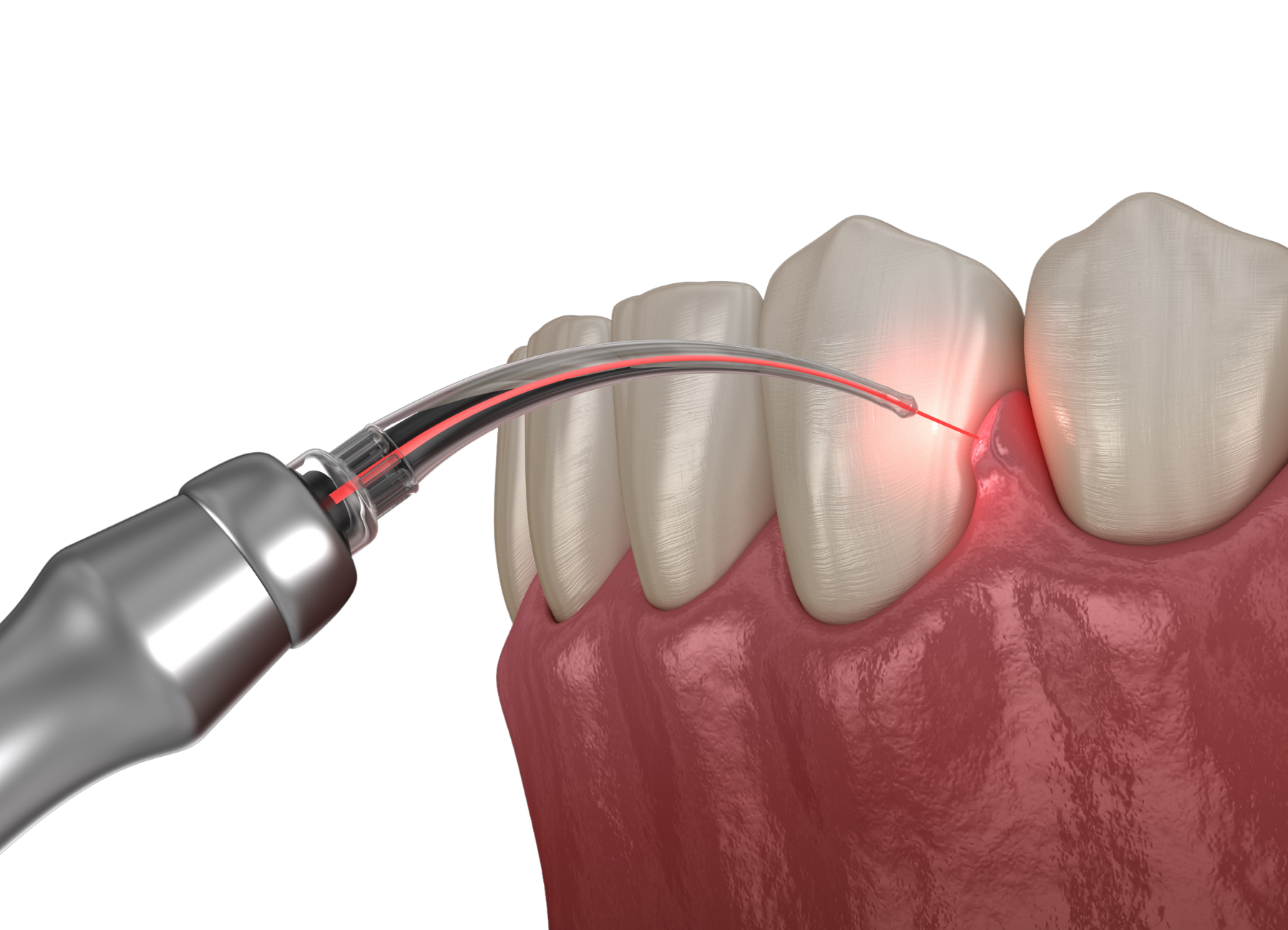
Laser therapy in dentistry uses specific wavelengths of light to target different types of tissue in the mouth. For periodontal treatments, the laser is tuned to frequencies that specifically target diseased gum tissue and the bacteria causing gum disease, without harming or removing healthy tissue. This selectivity is crucial for preserving as much of the natural structure of the gums as possible.
The process involves the laser light penetrating below the gum line to reach the diseased tissue and bacterial colonies. These gentle pulses of light energy react with the water molecules in the cells, causing a reaction that effectively removes or kills the diseased tissue and bacteria. This is done without the need for physical incisions, making the procedure minimally invasive.
Benefits of laser therapy
The use of laser therapy in dentistry, particularly with advanced systems like the PerioLase® MVP-7™, represents a forward leap in dental care. It offers a patient-friendly alternative to traditional methods, reducing discomfort, speeding up recovery, and improving the outcomes of periodontal and other dental treatments. As technology advances and more research supports its efficacy, laser therapy is set to become an increasingly common and valuable tool in the dental health professional's arsenal.
-
Since laser therapy does not involve cutting or suturing, patients experience significantly less discomfort during and after the procedure. The laser's ability to seal blood vessels and nerve endings as it works also contributes to a reduction in pain.
-
The precision of laser therapy means less trauma to the gums and surrounding tissues, resulting in less bleeding and inflammation compared to traditional surgical methods.
-
The minimally invasive nature of laser therapy, combined with its ability to promote tissue regeneration and healing, leads to a faster recovery time for patients. This means that patients can return to their normal activities sooner.
-
Lasers offer unparalleled precision, allowing for the targeted removal of diseased tissue while preserving healthy gum and bone structures. This is particularly beneficial in periodontal therapy, where saving as much of the natural tissue as possible is crucial for maintaining the integrity of the teeth and jawbone.
-
Laser therapy is highly effective at killing bacteria within the periodontal pockets and even those embedded in the root surface. This helps in achieving a more thorough disinfection of the area than mechanical cleaning methods alone.
-
Some laser therapies are designed to stimulate the regeneration of bone and gum tissue. This can be especially beneficial for patients with periodontal disease, where tissue and bone loss are common issues.